
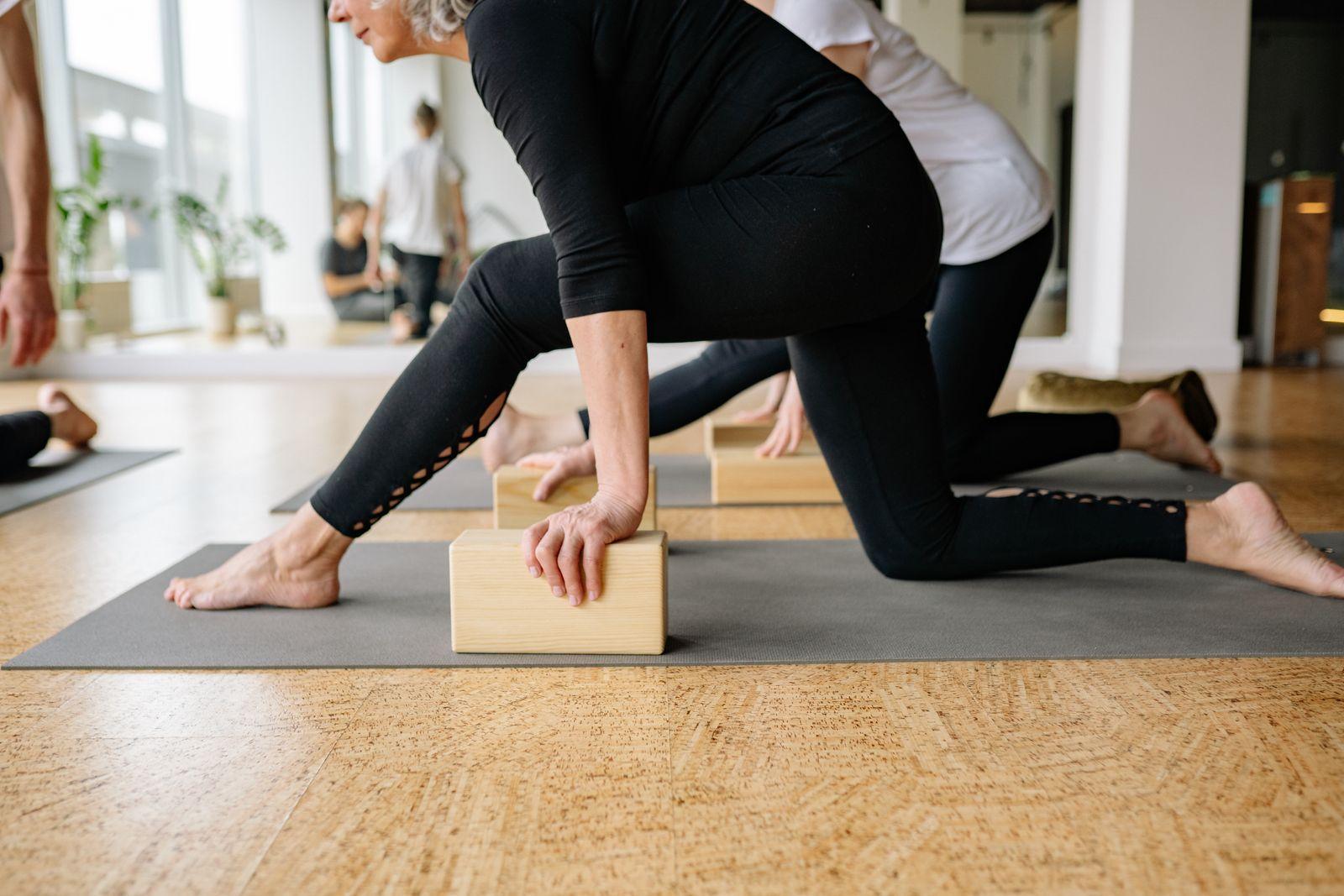
Pilates is a system of exercises originally developed by Joseph Pilates to maintain his own strength and flexibility. Traditional Pilates classes often focus heavily on core and abdominal conditioning and follow a fairly standard set of movements that may not suit everyone, particularly people managing an injury or a specific condition.
Clinical Pilates uses similar principles and equipment, such as the reformer and trapeze table, but the exercises are selected and adjusted by a physiotherapist for the individual. After an assessment, movements are chosen to support spinal alignment, encourage controlled muscle activation and reduce irritation of the nerves, with each program tailored to a person's own movement preferences and goals.
A key idea in Clinical Pilates is matching exercises to your body's preferred direction of movement. Exercising in a way that suits your nervous system can help it settle, while unsuitable movements may increase tension. This is why individual assessment and supervision matter.
Clinical Pilates may be helpful for people managing symptoms linked to nerve irritation, such as muscle tightness, pins and needles, reduced flexibility or ongoing back and neck discomfort. At Advance Physio Clinic in Cranbourne North, our physiotherapists can assess whether Clinical Pilates is appropriate for you and, if so, design a suitable program. We recommend obtaining medical clearance before starting.
This article is general information and is not a substitute for individual assessment or advice.